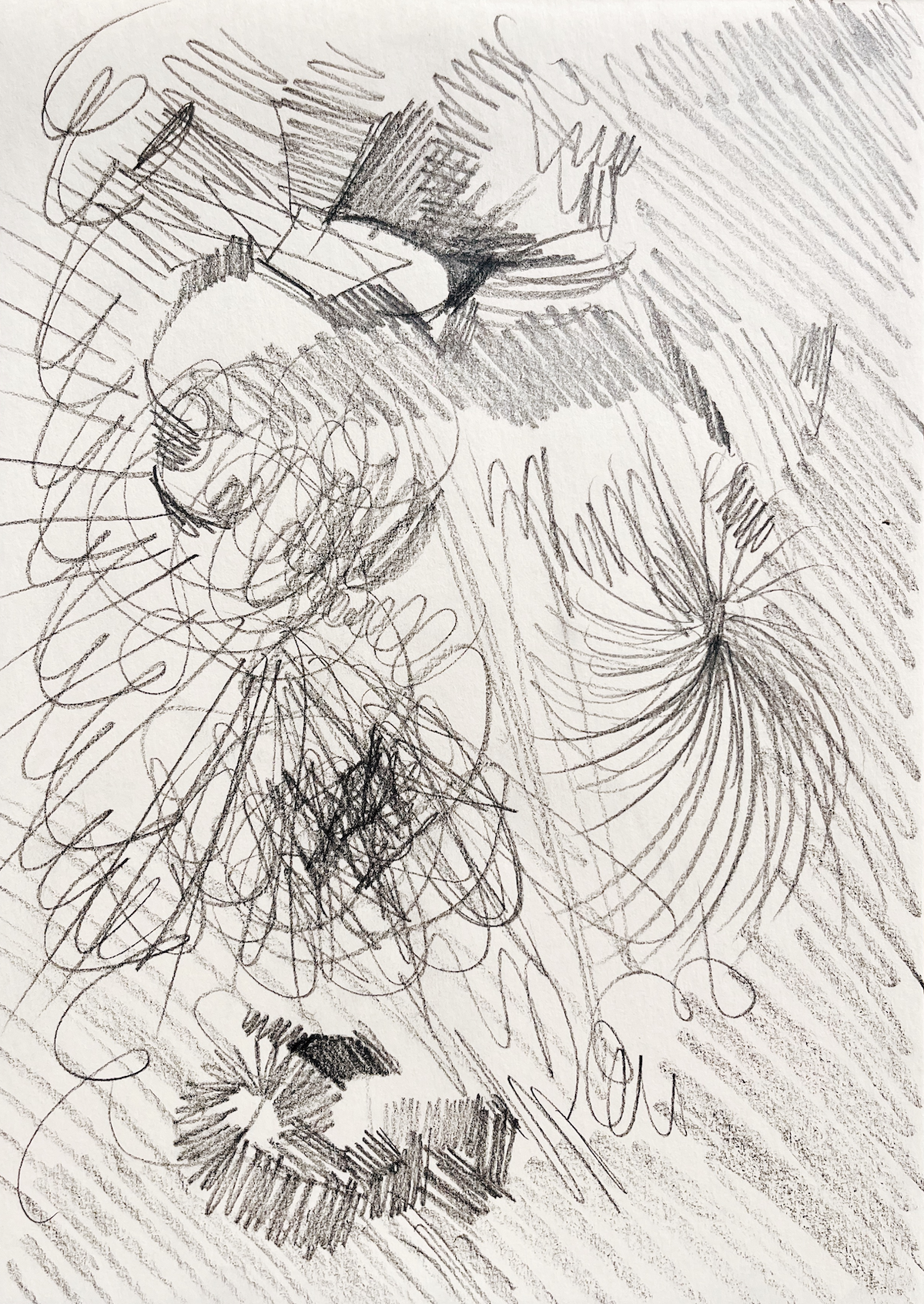
Drawing from Week 1 of Experimental Drawing
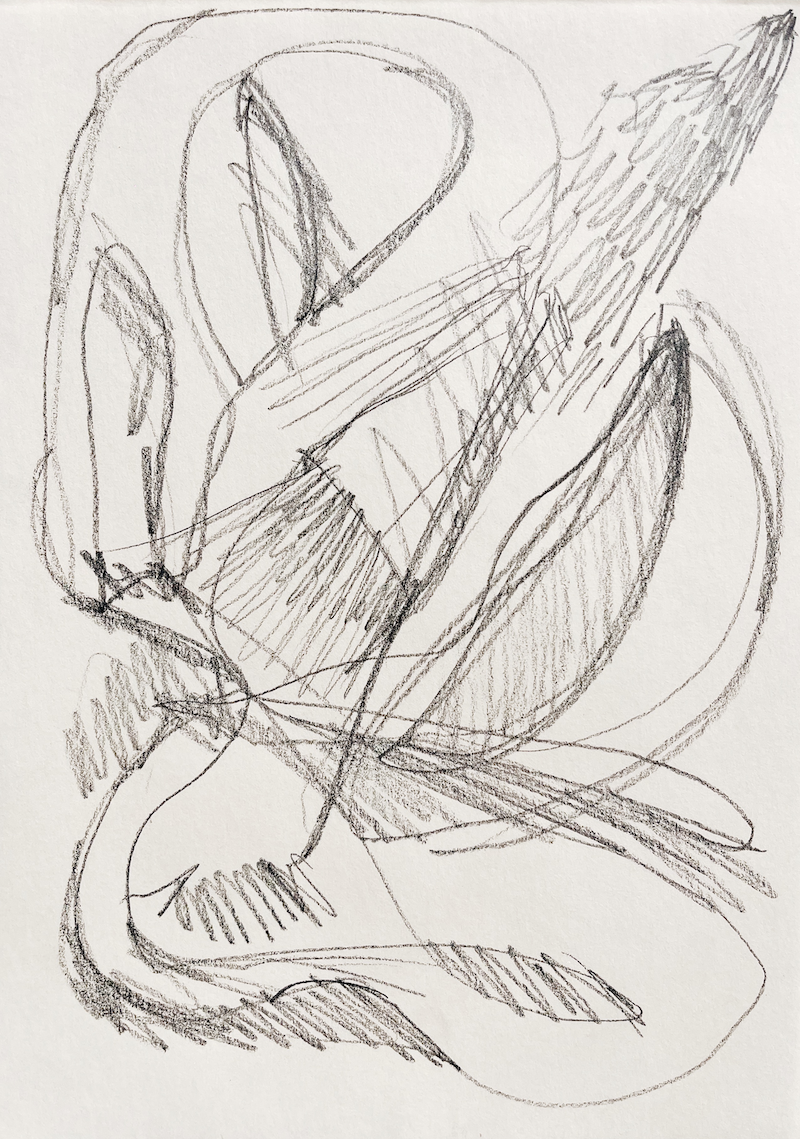
Drawing from Week 1 of Experimental Drawing
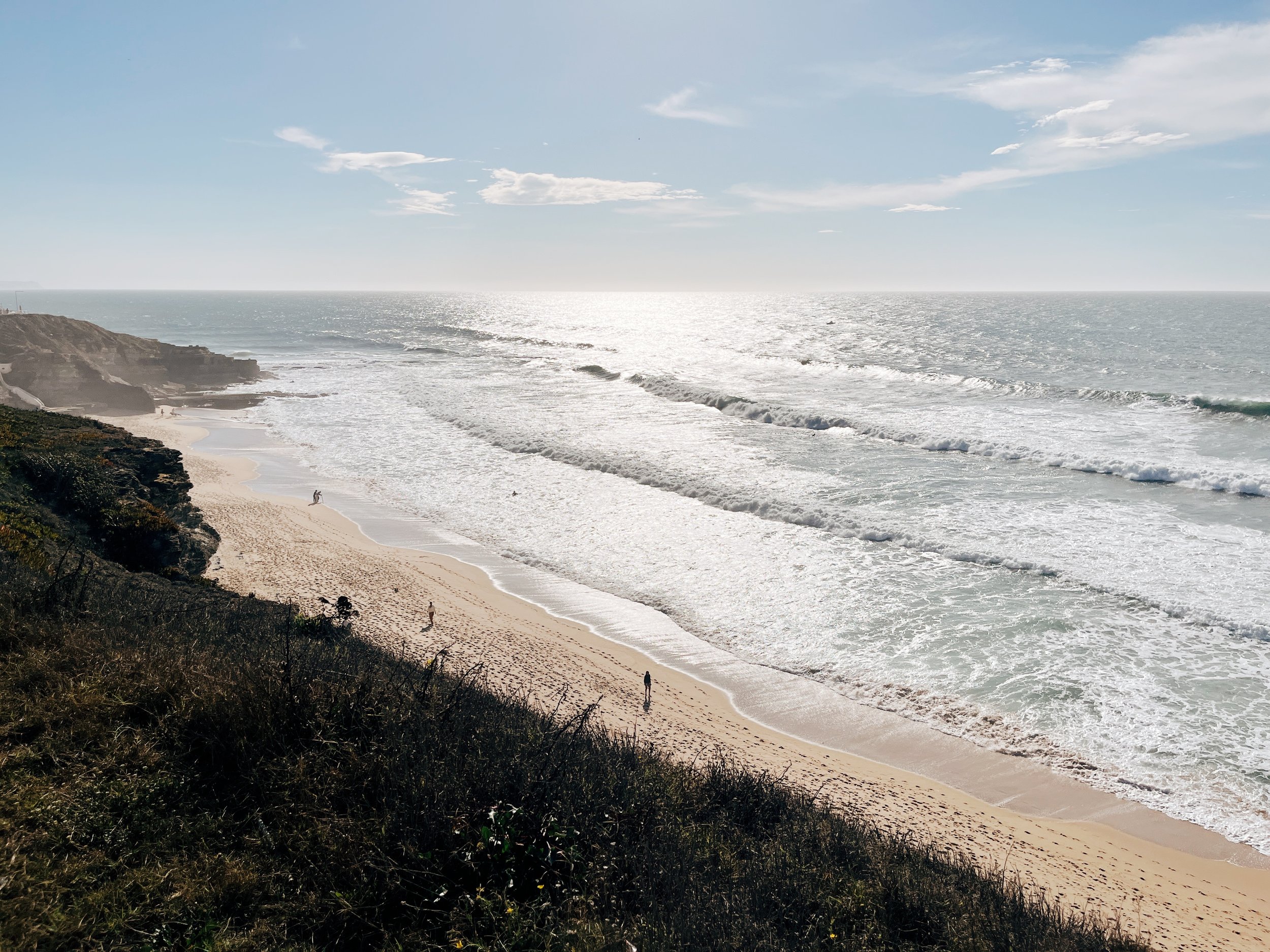
Week before last, I crossed the Atlantic and made my way to the west coast of North America. I carried my art supplies with me, part packed neatly in my luggage, part thrown loosely into the bottom of my day bag to stay within easy reach.
Now, I'm sitting in a café in a San José del Cabo, sipping a late morning coffee. The sun is just right and cuts sharp shapes of light and dark across my table as it filters through the palm tree planted firmly by the entrance. Wanting to catch the moment, I feel around the bottom of my bag, hoping to grab my sketchpad and a loose pen or coloured pencil.
‘Stop thinking of art as objects and start thinking of them as triggers for experience.’
—Brian Eno
I posted Eno’s recommendation to Substack a few days ago, and it seems to be resonating with people. We might think of a drawing as a piece of paper with marks on it, and only be giving part of the story. We might think, is it a good drawing? A bad drawing? Something in between? But what if making art isn’t about making object, but about making something less tangible? Could the best reason to make art today might not be to produce more things, but to have more moments of being actually here?
Curious, Imperfect, Alive
Try this: draw one object near you without looking at the page and without lifting your pencil. After a few minutes, stop drawing. Look at what you made and back at the object. Do you notice anything new?
The artist and educator Kimon Nicolaïdes provided a new method of teaching drawing when he wrote The Natural Way to Draw in 1941. (It’s a classic book that I recommend and use as a reference in my own teaching.) In it, he introduced the blind contour drawing, a way of seeing familiar things in new ways. He suggested we work with our full presence.
‘Art should be concerned more with life than with art.’
—Kimon Nicolaïdes
Many of us learned early that a drawing should look like the thing, and that anything less is a failure. Some of the most alive drawings I’ve seen (in my own work and in my students’) are the ones that resisted strict representation and ‘perfection’ and loosened up enough to take a risk.
When I draw, I’m not watching my life from a distance. I’m inside it, noticing. Making art is a process of making myself.
What happens when you set aside the idea of drawing as the creation of a thing, and instead become curious about art making as an experience.
Experimental Drawing is a four-week course exploring drawing as a process of experimentation, discovery, and creative expression.
Through a series of guided exercises, you’ll explore different ways of making marks, working with materials, responding to shapes and forms, and developing your own visual language.
Rather than focusing on technique or making the ‘perfect’ drawing, we’ll explore drawing as a practice: a way to become more curious, playful, and open to possibility.
Join me for Experimental Drawing, a 28-day course in unconventional art making. You’ll receive 4 weeks of guidance ~ 28 exercises, 4 creative lessons, 4 art history lessons, and 4 reflections. Share work, get feedback, and discuss your creative process in the course chat within the Experimental Practice WhatsApp community. In the third week of the course, I'll host a live Zoom session providing a review and discussion of work.
Continue Reading